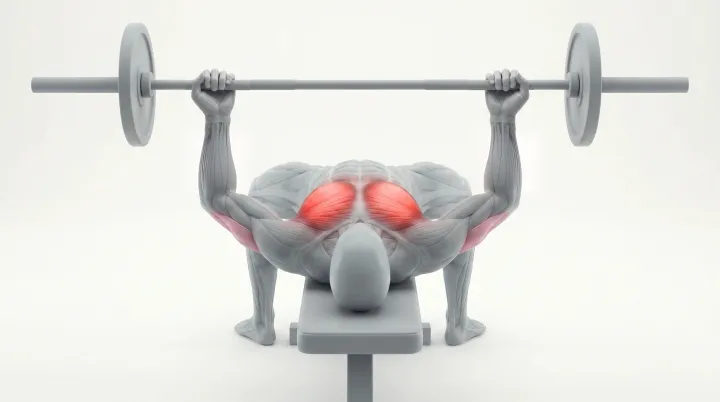
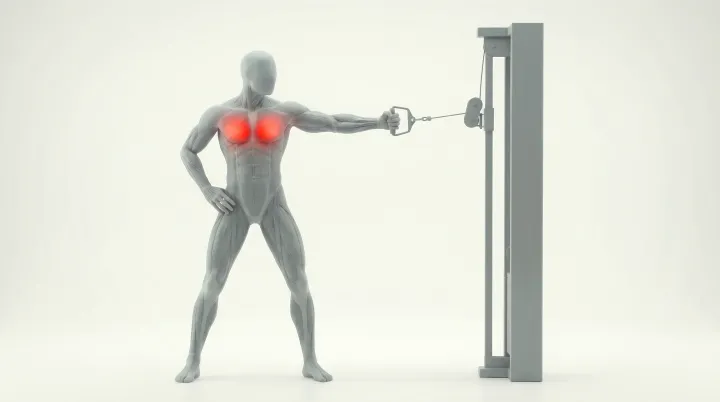
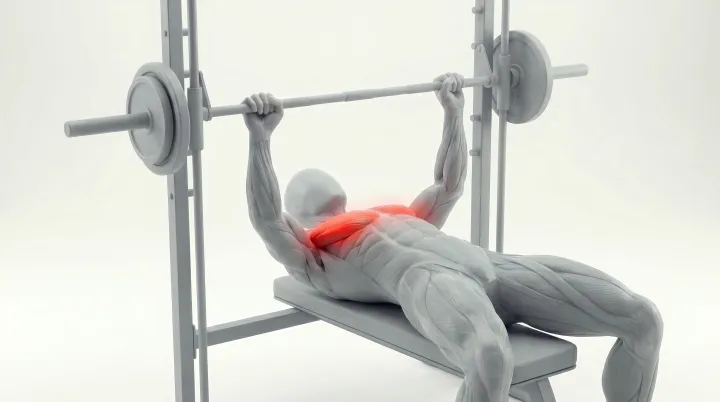
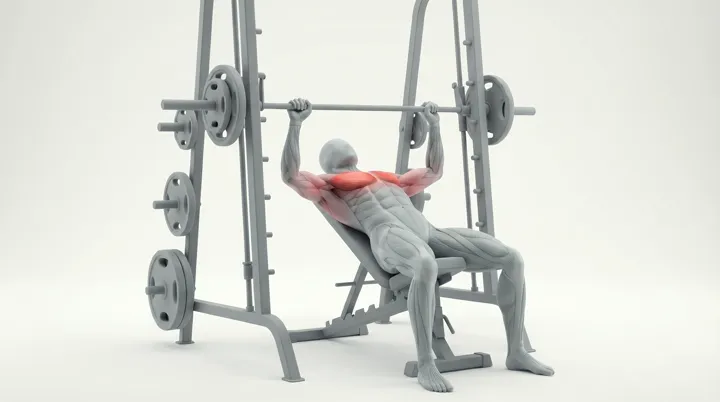
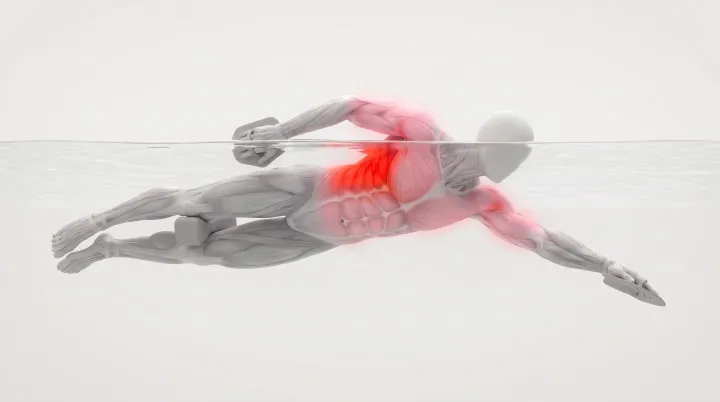
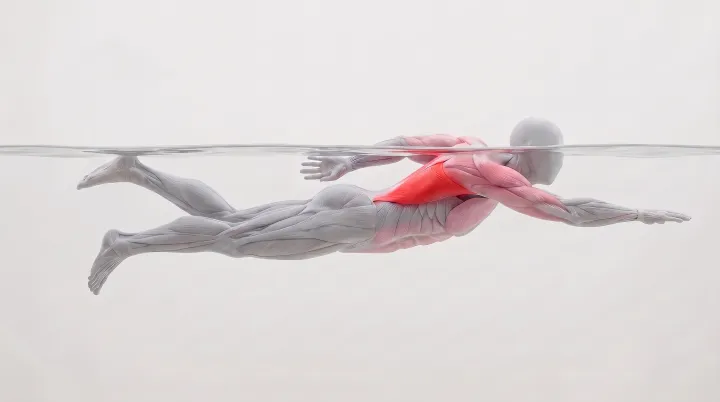
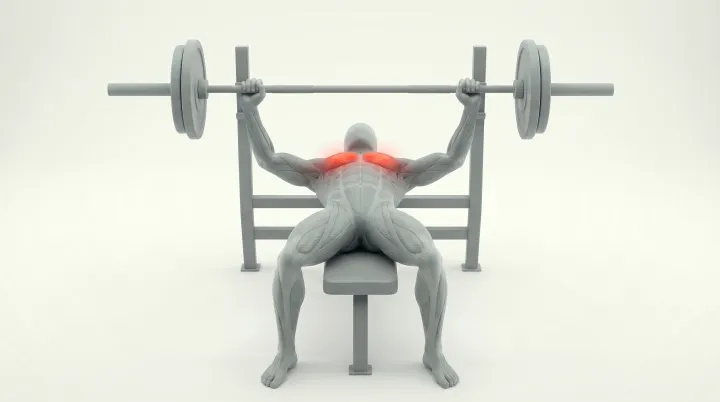
The Reverse-Grip Barbell Bench Press is a intermediate-friendly barbell strength exercise that targets the chest, with the triceps, shoulders and biceps working alongside. Here's how to do it right, and what to stop doing.
Primary musclesChest
Secondary musclesTriceps, Shoulders, Biceps
EquipmentBarbell
LevelIntermediate
TypeStrength
3D demo in the EGON app
01 Execution
How to do the Reverse-Grip Barbell Bench Press
Set the rack height on a flat bench and load the bar conservatively for your first sets.
Lie back with your feet planted and take the bar with an underhand grip a little wider than shoulder width.
Set your shoulder blades into the bench, then unrack the bar with a spotter's help.
Lower the bar slowly to your mid-chest, keeping your wrists stacked over your forearms.
Pause without letting the bar rest on your chest, then press it back up.
Stop short of locking the elbows and keep your glutes and shoulder blades on the bench throughout.
02 The payoff
Why it earns its spot
Increases upper chest and biceps involvement compared with a pronated grip on the same flat bench.
Gives a fresh pressing stimulus for lifters with no access to an adjustable incline bench.
Alters the wrist and shoulder position, which some lifters find kinder on a sore shoulder.
03 Don't do this
Common mistakes
Unracking a supinated bar without a spotter risks losing it backward before the first rep is under control.
Letting the wrists bend back under load puts the bar behind the forearm and strains the wrist joint.
Loading it like a standard bench press overwhelms an unfamiliar grip and forces the form to break down.
Lifting the feet or hips off the bench to grind a rep removes the stable base the press depends on.
EGON Put it on record
Track it in EGON.
Log every set of the Reverse-Grip Barbell Bench Press, get your PRs detected automatically, earn aura for the work, and climb five leagues of statues, from Stone to Ego.